
EPC Pathway: Commercial MEES 2027 & 2030 Compliance | Hollenplus

Our EPC Pathway service delivers clear, concise, cost-effective recommendations how to achieve Minimum Energy Efficiency Standards (MEES) compliance.
We prioritise the lowest cost, and least disruptive options available, to ensure compliance is achieved in the simplest way possible.
At HollenPlus we bring together a strong understanding of asset management goals with leading energy and ESG expertise to create high-impact upgrade plans that reduce costs and maximise returns.
Click here to see a recent EPC Pathway project.
Why Choose HollenPlus for Your EPC Pathway?
We don't just provide certificates; we provide certainty. Our team of accredited assessors and consultants work at the intersection of energy technology and commercial real estate, ensuring that every kilowatt saved contributes directly to your bottom line.
In a market where energy regulations are tightening, a basic certificate is no longer enough. The HollenPlus EPC Pathway is a strategic alternative to the standard assessment, focusing on technical precision to reduce your capital expenditure and improve returns.
The following table compares a standard commercial EPC assessment with the strategic HollenPlus EPC Pathway for MEES compliance.
| Feature | Standard EPC Assessment | Hollenplus EPC Pathway |
|---|---|---|
| Primary Objective | Basic compliance ('tick-box') | Asset value protection & ROI |
| Methodology | Basic SBEM (Software defaults) | Advanced Modelling (Level 5 DSM) |
| Accuracy | Often penalises building rating | Identifies marginal gains for higher scores |
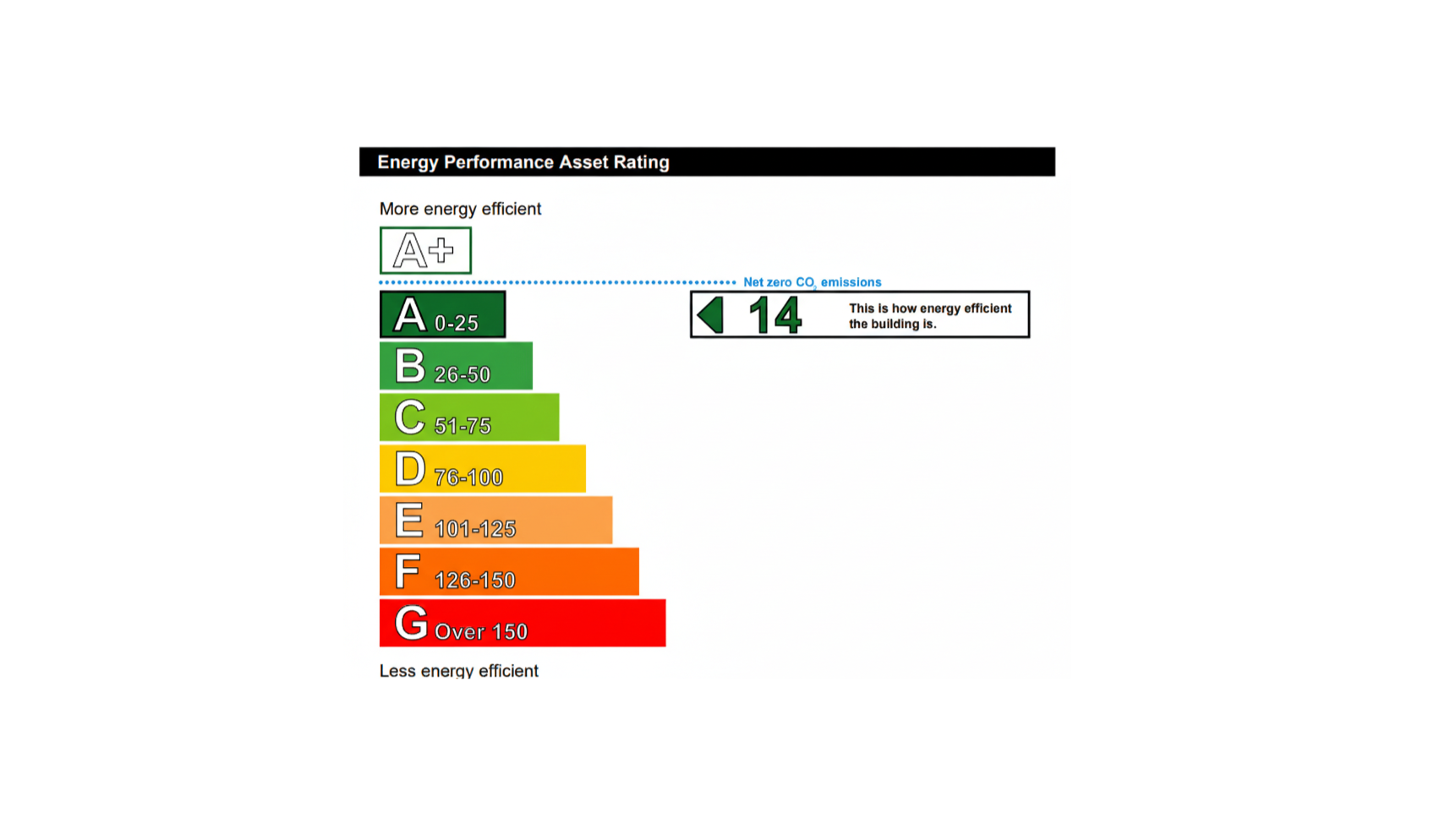
| MEES Compliance | Current status only | Strategic 2027 (C) & 2030 (B) planning |
| Financial Impact | Risk of high capital expenditure | Prioritises lowest-cost, high-impact works |
| Portfolio View | Isolated property view | Integrated Asset Management approach |
| Future Risk | High risk of 'Stranded Assets' | De-risks future decarbonisation targets |
Our EPC Pathways are undertaken using our three step approach.
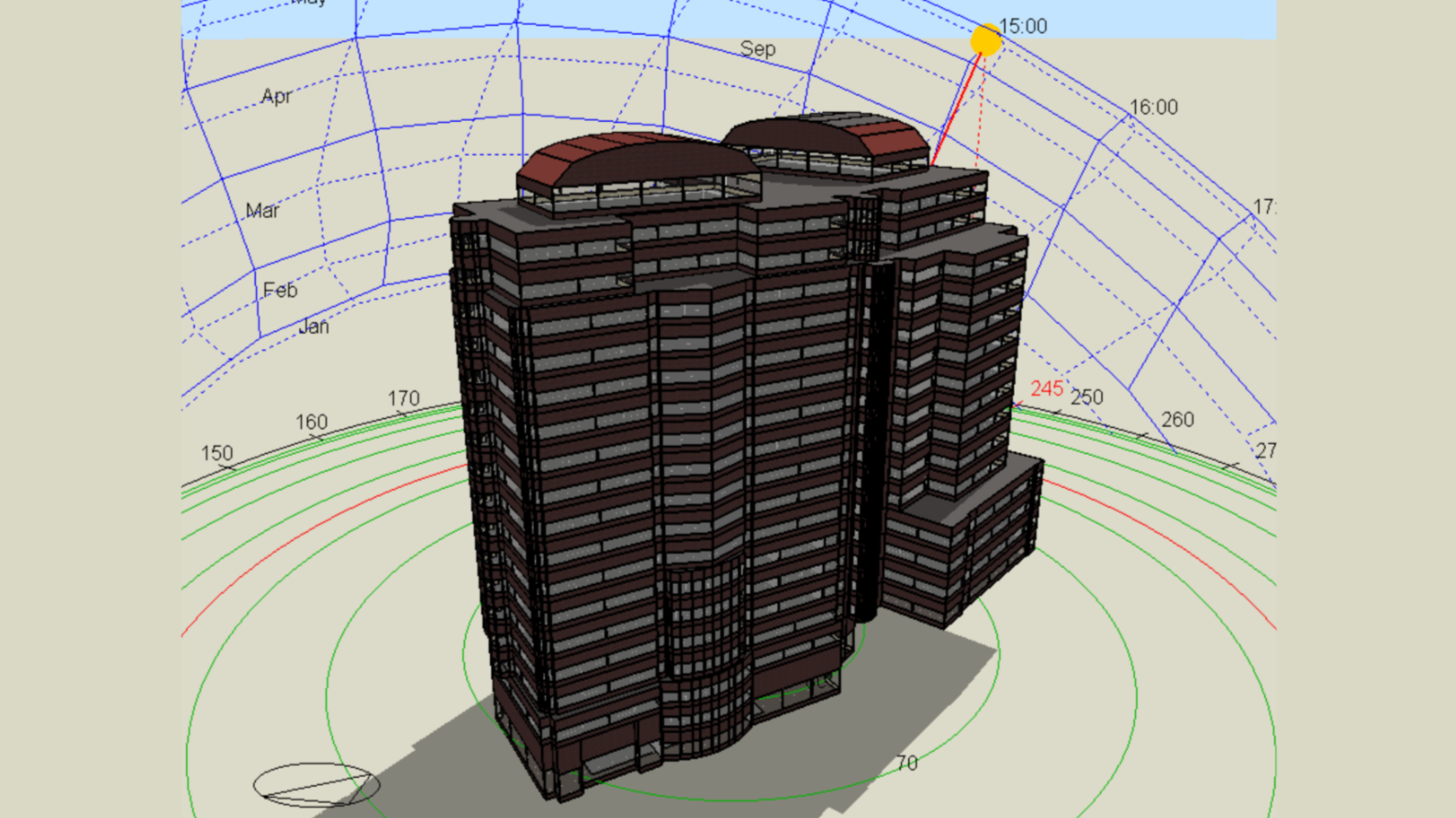
We undertake a new EPC of the building in its existing condition, using our best-in-class approach, which maximises the baseline EPC rating. This narrows the gap between current position and target rating, thereby reducing CAPEX requirements.
We identify all of the commercially sensible upgrade options, collate costs, and prioritise the lowest cost and least disruptive options.
We provide a concise set of costed recommendations, aligned to the buildings existing PPM and natural lifecycle.
Related Service
Seeking BREEAM Excellence?
See how our Level 5 DSM expertise is used to achieve BREEAM V7 credits here.
An Asset Management Perspective
An EPC should never be viewed in isolation from the wider lifecycle of the building. Our EPC Pathway is unique because it adopts a long-term Asset Management Approach.
We align energy improvements with your existing planned preventative maintenance (PPM) schedules. If a boiler is due for replacement in three years, we factor that into your pathway today, preventing "stranded assets" and redundant spending.
Risk Mitigation & Compliance
With MEES regulations tightening, an EPC rating of 'C' or 'D' is becoming a significant risk factor. Our pathway provides:
Risk Profiling: Identifying high-risk units across your portfolio.
Exemption Management: Expert guidance on valid exemptions where improvements are not technically or economically feasible.
Future-Proofing: Preparing your assets for the 2027 and 2030 targets well in advance.
Ready to Secure Your Portfolio's Future?
Don't wait for a lease break or a compliance deadline to discover your building is underperforming. Let us map out your journey to efficiency.
As UK energy legislation continues to evolve, properties that fall short of efficiency standards risk becoming non-compliant, devalued, unlettable and stranded.
Investing in an EPC Pathway today ensures your property is future proofed, market competitive, and aligned with Minimum Energy Efficiency Standards (MEES).
Get in touch with us today to discuss how an EPC Pathway assessment can improve the baseline EPC rating and, where required, provide detailed insight into targeted building improvements.
FAQs
-
An EPC Pathway (or Roadmap) is a strategic plan that outlines the specific building upgrades required to move a commercial property from its current rating to a target grade (typically EPC B by 2030). Unlike a standard assessment, a pathway provides a costed, phased timeline to ensure compliance with MEES (Minimum Energy Efficiency Standards) without disrupting tenancies.
-
Yes, under current government trajectories, the goal is for all let commercial buildings to achieve an EPC B rating by 2030.
Carrying out an EPC study now allows landlords to plan capital expenditure (CapEx) early, avoiding the "contractor bottleneck" expected as the 2030 deadline approaches.
-
A standard EPC is a "snapshot" of current performance. An EPC Roadmap is a forward-looking consultancy service that uses Dynamic Simulation Modelling (Level 5) or Level 4 software to "test" various improvements (like Heat Pumps or Solar PV) virtually before you invest in the physical works.
-
Absolutely. A "stranded asset" is a property that can no longer be legally let due to poor energy performance. By instructing an EPC Pathway study, you identify the "stranding point" of your asset and create a renovation plan that maintains the building’s marketability and loan-eligibility with lenders.
-
In 2026, most UK lenders require a documented energy transition plan or "Pathway to B" before approving commercial mortgages or refinancing. An official EPC Roadmap serves as evidence to banks that you have a viable strategy to meet future environmental regulations.
-
The penalties for letting a non-compliant commercial property are severe, often based on 12.5% of the property’s rateable value, with a minimum fine of £10,000 and a maximum of £150,000 per breach. A compliance pathway ensures you stay on the right side of the law.
-
A comprehensive study typically takes 2 to 4 weeks, depending on the size and complexity of the building. This includes the initial site survey by a Level 4 or 5 Non-Domestic Energy Assessor (NDEA), followed by technical modeling and the delivery of a costed improvement report.
-
Yes. As part of the 2026 reforms, Smart Readiness (the building's ability to adapt to energy demand) is a growing factor. Our pathway services analyze how smart meters, automated HVAC controls, and EV charging integration can boost your overall rating and operational efficiency.
-
Yes, switching to a Level 5 EPC can often yield a better rating for complex buildings, making it a smart option before investing in physical upgrades.
12x Typical EPC Pathway Advisory Scenarios
-
We achieve EPC improvements in over 95% of the work we do.
Our rigorous approach secures better rating bands, which in turn improves viability, helping our clients remove upgrade CAPEX from cashflows, avoid disruption from works, achieve higher rents, reduce void periods and improve total returns.
-
Ensuring all units have a clear, costed pathway to the required target, ensuring MEES compliance.
HollenPlus works with the natural lifecycle of the building, to focus on commercially sensible upgrades.
We use our asset management expertise to find the most cost-effective and least disruptive solutions.
-
A lease expiry provides the perfect opportunity for both owners and occupiers to look to improve their demise / building.
We help owners deliver creative lease renewals by investing into their assets, providing solutions to ensure the demise meets the needs of the occupier and is future proofed for MEES compliance.
-
Rather than give away rent free or concede on rental levels, we help owners deliver creative lease re-gears by investing into their assets, future proofing and improving liquidity, which in turn adds value.
-
Buildings with higher EPC ratings are more likely to let, achieve better rents and have shorter void periods.
HollenPlus undertakes EPC renewals to maximise the rating of the unit as is, without CAPEX being spent.
-
We undertake due diligence during the acquisition process to provide our clients with clarity and certainty on the existing rating, enabling them to allocate sufficient capital for any building upgrades required.
-
Lenders are increasingly requiring buildings to either achieve a minimum EPC level now, or have a clear building upgrade strategy in place. Buildings which don’t have this in place will face higher borrowing costs to reflect the additional risk.
-
For disposals, we update EPC’s, to ensure it is the highest possible rating, helping achieve maximum sale price. This allows purchasers to remove risk CAPEX allocated against building upgrades, often resulting in higher bids.
-
For those looking to reach NET ZERO, we provide detailed pathways, aligning our advice with the natural lifecycle of the building and its systems, to ensure CAPEX is only spent at logical, sensible points.
-
Most leases contain clauses obligating the tenant not to make any changes which negatively impact the EPC rating.
HollenPlus can act as an intermediary, providing advice to the tenant on any changes to design and specifications needed, to ensure lease compliance.
-
HollenPlus advises owners on how they should require capital contributions are spent, to achieve the greatest commercial benefit for the asset.
-
We work with design teams to ensure the planned development meets the required target.
We provide detailed advice on specification changes which would improve the final rating.

Speak with a Partner today about a tailored EPC Pathway…
