

Greg Davison Greg Davison

MEES for Commercial Buildings: Explaining the Legal Requirements for Landlords l HollenPlus

MEES for Commercial Buildings: Understanding the Legal Requirements

The Minimum Energy Efficiency Standards (MEES) are a critical consideration for commercial property owners and managers in England and Wales. These regulations are designed to improve energy efficiency in privately rented commercial properties and apply to offices, retail spaces, industrial units, and other commercial buildings.

Legal Framework and Statutory Requirements

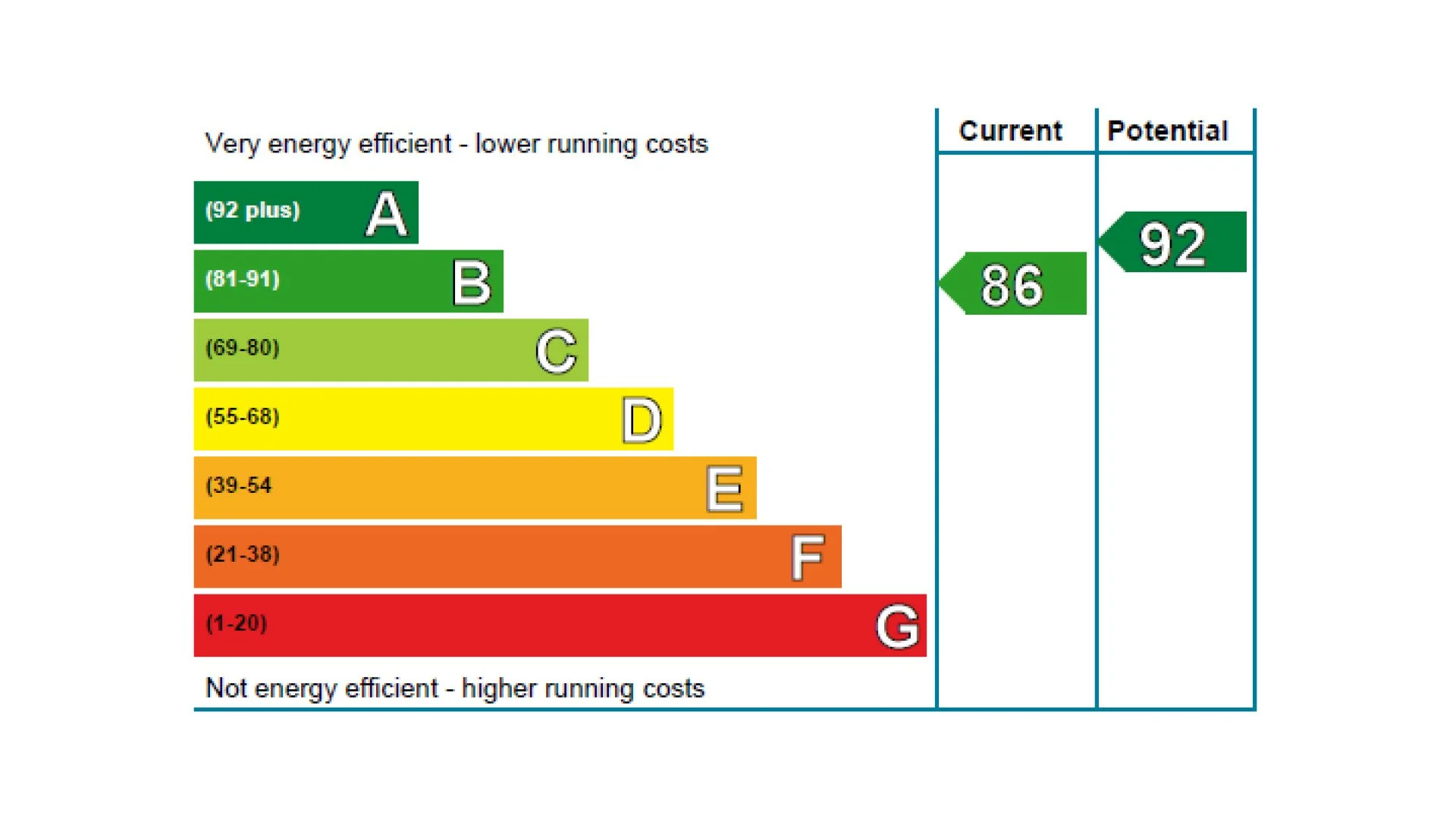
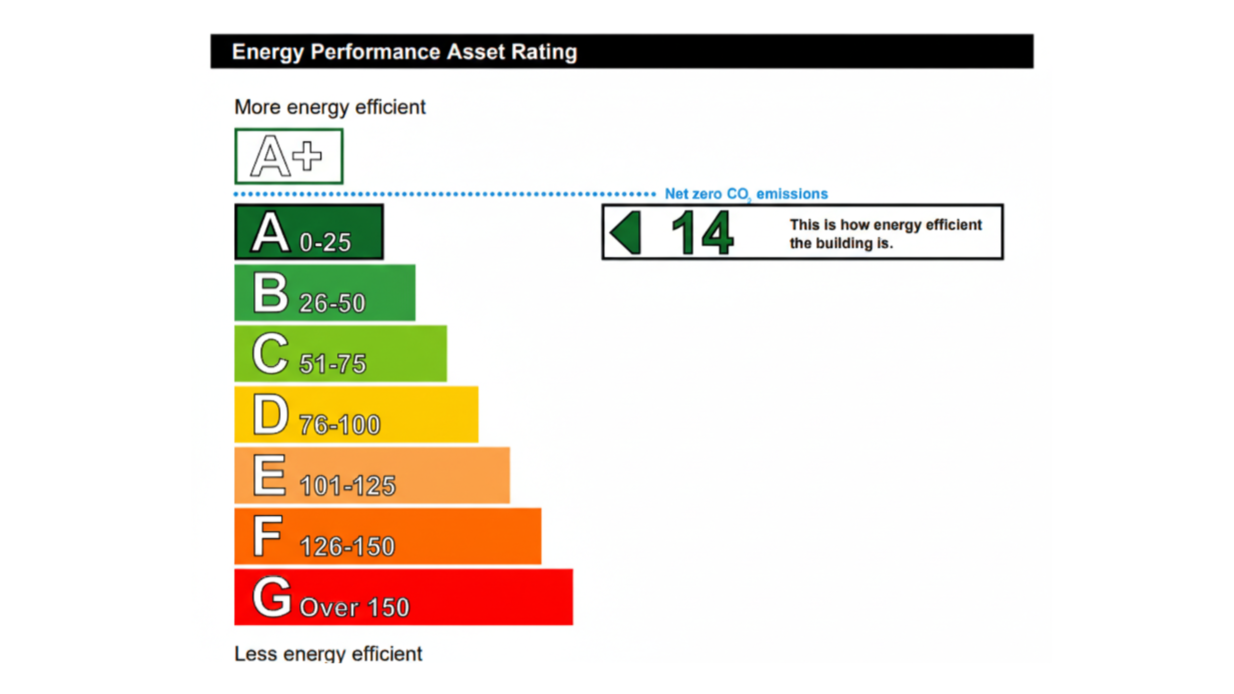
MEES was introduced under the Energy Performance of Buildings Regulations and subsequent amendments to the private rented property legislation. The rules require that commercial properties have a valid Energy Performance Certificate (EPC) and meet a minimum energy efficiency rating before being let or continuing to be let.

Since April 1, 2023, it is illegal to lease a commercial property with an EPC rating of F or G unless a valid exemption is registered. This requirement applies to both new leases and existing tenancies. Non-compliance can result in significant financial penalties and reputational damage.

Exemptions

While MEES applies to most commercial landlords, some properties may qualify for exemptions. These include buildings with no walls or roof, temporary structures, certain industrial or agricultural properties, and listed buildings where required improvements would conflict with heritage regulations. Exemptions must be registered and are typically valid for five years.

Landlords who cannot realistically improve their property to meet the minimum standard due to cost, practicality, or structural limitations must register an exemption. Proper registration ensures legal compliance and protects against enforcement action.

Current and Future EPC Requirements

Currently, all commercial properties being let must have a minimum EPC rating of E. Properties rated F or G cannot be legally let unless an exemption applies. Looking ahead, the government has proposed stricter standards. By 2027, most commercial properties will need a minimum rating of C, with a target of B by 2030. These changes reflect broader environmental objectives and the move toward net-zero emissions. Landlords are advised to plan ahead to avoid costly last-minute upgrades.

Penalties for Non-Compliance

Failure to comply with MEES can result in substantial penalties. Enforcement is carried out by local authorities. For breaches under three months, fines start at £5,000 or 10 percent of the property’s rateable value, capped at £50,000. For breaches exceeding three months, fines increase to £10,000 or 20 percent of the rateable value, capped at £150,000.

In addition to fines, landlords may face public disclosure of their breach. This can negatively affect the property’s reputation, tenant demand, and market value. MEES does not prescribe specific works but requires that the property either meets the minimum EPC rating or has a registered exemption.

How Hollen+ Can Help

Hollen+ helps commercial property owners and managers navigate MEES compliance with confidence. We provide EPC assessments, energy efficiency audits, and tailored retrofit strategies. Our team can manage all documentation and exemptions, ensuring your property meets current standards and is future-ready. By working with Hollen+, you protect your assets, avoid fines, and enhance tenant appeal.

Read More