Commercial Energy Efficiency: Reducing Costs and Carbon Through Strategic Optimisation
We specialise in identifying high-impact, low-cost energy efficiency interventions that drive immediate reductions in both operational expenditure and carbon intensity.
By leveraging advanced building data and Level 5 DSM & TM54 modelling, we bypass expensive, unnecessary plant replacements in favour of low-cost, strategic optimisations.
Using our asset management approach, we start with the simplest, low-cost solutions to maximise cost v benefit and improve returns.
Energy Efficiency
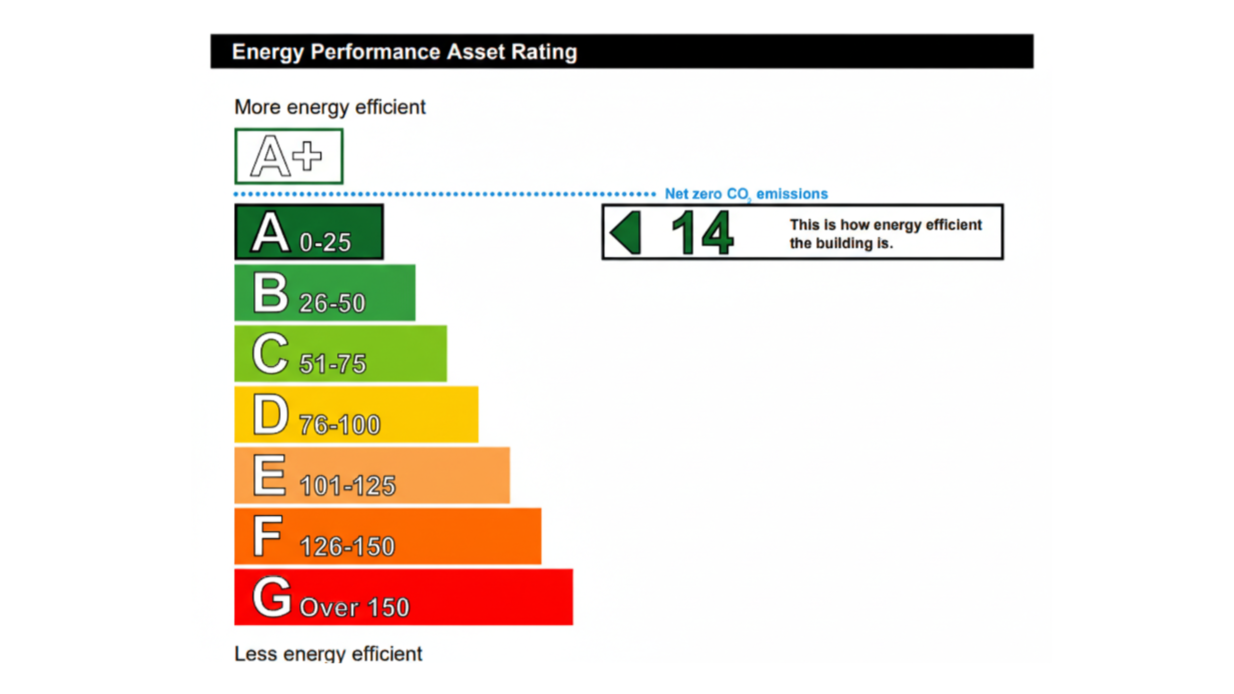
We work with clients ranging from private investors and occupiers looking to reduce their energy costs, all the way through to global institutional landlords looking to achieve best-in-class NET ZERO buildings.
We are proud to offer cost effective solutions across the entire commercial real estate market.
Our asset management background means we always search for the best value solution to any situation. We listen to our clients ambitions, and design tailored solutions to meet their goals, whatever the budget.
We Hate Wasted Energy
Financially, it hurts both owners and occupiers.
For owners, it can lead to service charge caps being breached and shortfalls, and can make total occupational costs less competitive for their building. In this competitive market, that can lead to existing tenants leaving, and new tenants not signing.
For occupiers, this leads to higher energy bills, higher service charges, higher total running costs, and lower profit margins. Not good for anyone.
Carbon wise, this is also a disaster.
We love finding and delivering solutions to remove these issues. Whether you are looking for a simple fix to make an existing system more efficient, or a full design to achieve NET ZERO.
The Simplest Solutions Are Often The Best
In commercial real estate, the most effective strategy often involves removing waste before adding complexity.
When addressing decarbonisation through operational efficiency, three specific interventions provide significant returns on investment.
1. Solar Film: Reducing the Cooling Load at the Source
For buildings with substantial glazing, the summer months often see a conflict between solar gain and HVAC systems. Solar control film is a passive intervention that addresses the root cause of overheating.
The Benefit: By reflecting a large percentage of solar radiation, solar film lowers the internal heat gain. This reduces the peak demand on chillers and AHUs, leading to immediate reductions in electricity consumption. Beyond the financial savings, it improves occupant thermal comfort and protects internal finishes from UV degradation, all without the maintenance overhead of mechanical cooling.
2. Timer Controls: Eliminating the Out-of-Hours Drain
Many buildings without a central Building Management System (BMS) run their plant on a 24/7 cycle or rely on manual intervention. This results in ghost energy, where heating or cooling is provided to an empty building.
The Benefit: Retrofitting 7-day programmable timer controls to central plant is one of the fastest and least expensive ways to reduce operational expenditure. By aligning the building’s operation with its actual occupancy, unnecessary runtime is eliminated. This yields a significant reduction in carbon emissions and extends the lifecycle of the plant by reducing mechanical wear and tear.
3. BMS Optimisation: Turning Data into Efficiency
A BMS is only as effective as its last calibration. Many systems operate on factory settings or have drifted over years of manual overrides, leading to simultaneous heating and cooling or inefficient ramp-up times.
The Benefit: Through the creation of a digital twin, strategic optimisation can be undertaken, such as refining set-points, implementing weather compensation, and adjusting optimum start and stop routines. This maximises performance of the existing infrastructure.
This is a primary opportunity for decarbonisation because it requires no new hardware, yet often reveals energy savings of 15% to 30%. It transforms a passive monitoring tool into an active driver of asset value.
The goal is not to spend more on green technology, but to ensure that every kilowatt-hour consumed is doing useful work. These three interventions represent the shift from capital-heavy solutions to intelligence-led efficiency.

Speak with a Partner about your energy efficiency requirements today…