

ActiveScore
Part 2 of this series explores the sister global accreditation to ModeScore, ActiveScore.
What is ActiveScore?
ActiveScore is a leading global accreditation used in commercial real estate that evaluates and certifies the quality of a buildings active travel facilities, such as end-of-trip related infrastructure including cycling, walking and scooting. The certification seeks to provide a credible framework that demonstrates a buildings commitment to modern mobility and user well-being. Whilst ModeScore looks at the wider mobility and transport interconnectivity, ActiveScore evaluates dedicated infrastructure provisions in the building.
How is the ActiveScore Certification Measured?
The ActiveScore certification measures building size against its amenities and is measures via various criteria that is categorised into three core pillars:
Infrastructure – Evaluating the quality of the physical facilities available within the building. This can include the quality and quantity of bicycle storage including bike racks, the ratio of racks to lockers, showers and changing facilities and way-finding.
Occupier Engagement Services – Additional active travel services available for the people using the building. This can include a laundry service, bicycle repair and maintenance servicing, Active Travel user groups and community events such as a ‘Cycle to Work’ day or similar that actively encourage more sustainable commuting.
Future Proofing – Assessing the assets adaptability to ensure long-term capacity for expanding active travel demand. To ensure that the facilities in place are sustainable and have the capacity to adapt to demand. This measurable area can also include future-proofing of new transportation methods such as e-bikes and e-scooters.
The certification is assessed on a scale of 0-100, with 100/100 being certified as ActiveScore Platinum 100 if all the criteria is met.
How does the ActiveScore certification add value to corporate workplaces and commercial assets?
Obtaining an ActiveScore accreditation, demonstrates the efforts to care about the tenant’s accessibility towards the dedicated building having high-quality active travel facilities to support commuting to and from the workplace. The amenities include cycling, walking, scooting and other related end of trip infrastructure.
The intention of implementing these amenities is to encourage more sustainable travel behaviours to and from the workplace and having enough and the right facilities available to make commuting this way sufficient and comfortable. Commuters are much more likely to cycle to work when they have a safe, secure space to store their bikes and belongings. Alongside this, dedicated showers and changing areas further support sustainable habits by allowing commuters to wash and refresh after their journey.
The ActiveScore accreditation further demonstrates an organisations effort to meet corporate sustainability and ESG targets such as actively reducing Scope 3 emissions through the implementation of greener transport choices and supporting cleaner air through the reduction of Carbon Dioxide emissions and PM2.5 that is associated with motorised vehicles.
What are the wider advantages of ActiveScore?
Wider advantages of the certification include improving the health and wellbeing of commuters. A study from the European Commission (2025), demonstrated that on average, daily cyclists have 4.5 fewer sick days per year in comparison to their colleagues that drive in. By obtaining an ActiveScore Certification, offers tenant in the building an opportunity to adapt towards having more sustainable commuting habits in comparison to travelling via car or train.
Looking at the wider environmental impacts, the ActiveScore certification also encourages more environmentally friendly behaviours with efforts to reduce emissions produced from travelling via motorised vehicles. Especially within a concentrated city such as London, travelling via bicycle is more likely to be quicker than via car within the city centre. This can further be associated with the urban heat island effect in regard to transportation and major congestion within cities. Having a building accredited by ActiveScore ultimately seeks to minimise and remove congestion on the streets emitting harmful pollutants in the air and encourage more people to cycle or walk where they are able to.
Why is it important to undertake a ModeScore and ActiveScore assessment?
Undertaking both assessments provides a complete evaluation of a building’s internal active travel facilities and the surrounding transport connectivity. While ActiveScore focuses on on-site infrastructure and end-of trip amenities, ModeScore looks outward at external mobility and public transport access. Together, the certifications differentiate an asset in a competitive market and attract quality tenants.
Check out the projects HollenPlus have taken on below:
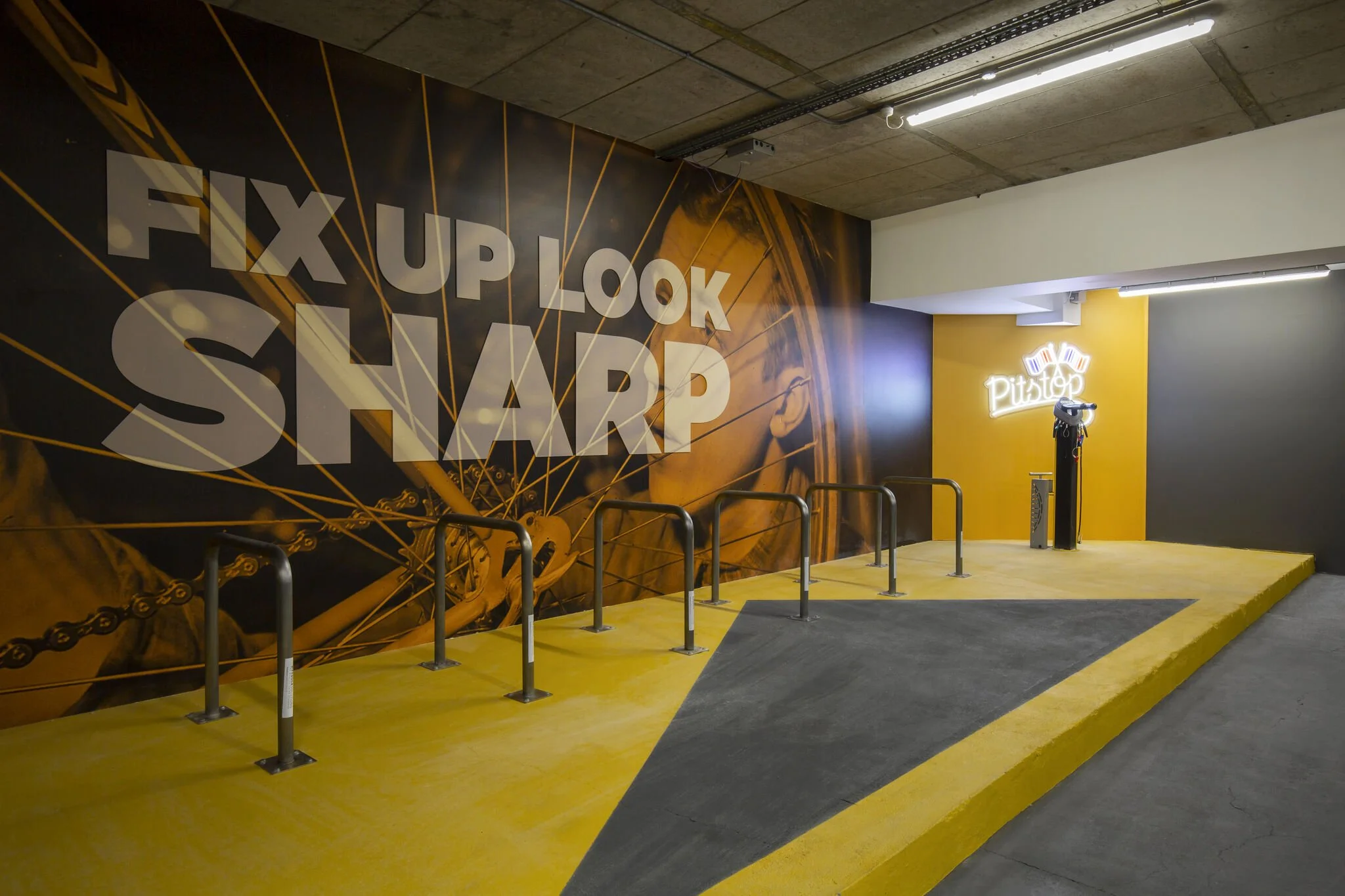
ActiveScore, Castlemead
This short educational series has evaluated both ModeScore and ActiveScore certifications that are greatly recognised within commercial real estate.
If you would like to get your asset certified with ActiveScore or ModeScore, contact HollenPlus as your Accredited Professionals Today.
Email: contact@hollenplus.com
Website: https://www.hollenplus.com