
Level 5 EPC : The Key to Maximising EPC Ratings
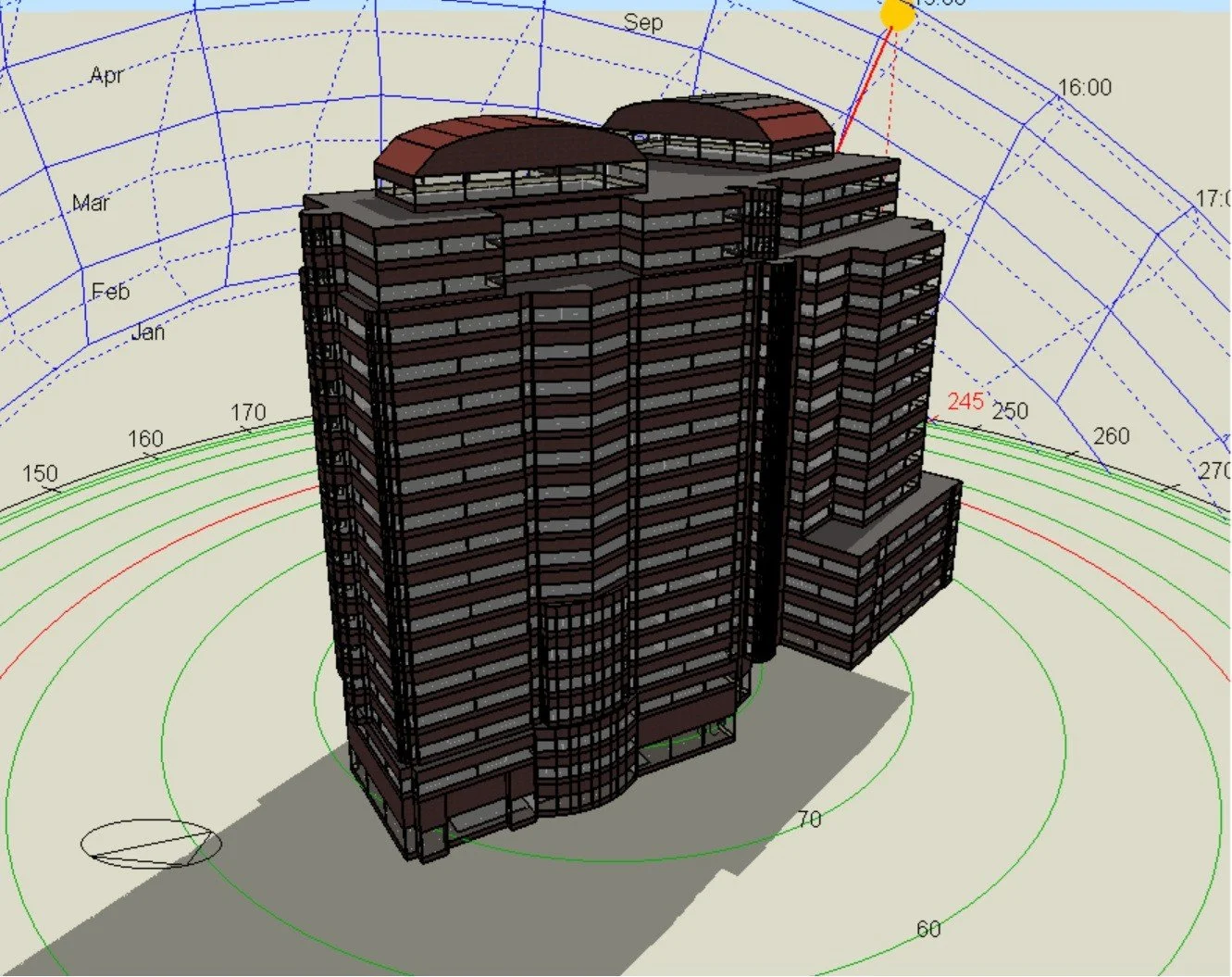
Hollen+ provides comprehensive advisory services and detailed support throughout the process, advising on cost-effective improvements that could be made to refurbishment specifications.
A Level 5 EPC is the most accurate commercial Energy Performance Certificate in the UK, and can improve an EPC rating without the need for physical upgrade works.
At Hollen+ our Level 5 Energy Assessors use Dynamic Simulation Modelling (DSM) to maximise a buildings baseline EPC rating, providing a cost-effective first step before considering any building works. Click here to see a recent Level 5 EPC project.
The key distinction of a Level 5 EPC is that it requires the use of Dynamic Simulation Modelling (DSM) rather than the simpler SBEM (Simplified Building Energy Model) method used in Level 3 and 4 EPCs.
DSM provides a far more detailed and accurate representation of how a building performs over time, simulating energy use on an hour-by-hour basis throughout the year.
Why use a Level 5 EPC:
Accuracy for complex buildings
Level 5 EPCs are essential for buildings where standard modelling would produce unreliable or misleading results. DSM accounts for things like solar gain through glass, heat loss through complex geometry, and automated system behaviour.Better investment decisions
The increased accuracy gives building owners and asset managers a much clearer picture of performance, which supports smarter decisions around refurbishment, compliance, and energy efficiency improvements.Compliance and risk mitigation
Properties requiring Level 5 assessments are often large and high-value, making compliance with regulations such as MEES (Minimum Energy Efficiency Standards) even more critical. An inaccurate or oversimplified EPC could result in unexpected costs, delays, or regulatory breaches.Future-proofing assets
With increasing pressure on energy performance and ESG reporting, a high-quality Level 5 EPC can be a key tool for sustainability planning and long-term asset protection.
In short, if a building is complex, high-value, or technologically advanced, a Level 5 EPC is not just important, it is essential to achieve the best EPC rating possible.
12x Typical EPC Advisory Scenarios
-
We achieve EPC improvements in over 95% of the work we do.
Our rigorous approach secures better rating bands, which in turn improves viability, helping our clients remove upgrade CAPEX from cashflows, avoid disruption from works, achieve higher rents, reduce void periods and improve total returns.
-
Ensuring all units have a clear, costed pathway to the required target, ensuring MEES compliance.
Hollen+ works with the natural lifecycle of the building, to focus on commercially sensible upgrades.
We use our asset management expertise to find the most cost-effective and least disruptive solutions.
-
A lease expiry provides the perfect opportunity for both owners and occupiers to look to improve their demise / building.
We help owners deliver creative lease renewals by investing into their assets, providing solutions to ensure the demise meets the needs of the occupier and is future proofed for MEES compliance.
-
Rather than give away rent free or concede on rental levels, we help owners deliver creative lease re-gears by investing into their assets, future proofing and improving liquidity, which in turn adds value.
-
Buildings with higher EPC ratings are more likely to let, achieve better rents and have shorter void periods.
Hollen+ undertakes EPC renewals to maximise the rating of the unit as is, without CAPEX being spent.
-
We undertake due diligence during the acquisition process to provide our clients with clarity and certainty on the existing rating, enabling them to allocate sufficient capital for any building upgrades required.
-
Lenders are increasingly requiring buildings to either achieve a minimum EPC level now, or have a clear building upgrade strategy in place. Buildings which don’t have this in place will face higher borrowing costs to reflect the additional risk.
-
For disposals, we update EPC’s, to ensure it is the highest possible rating, helping achieve maximum sale price. This allows purchasers to remove risk CAPEX allocated against building upgrades, often resulting in higher bids.
-
For those looking to reach NET ZERO, we provide detailed pathways, aligning our advice with the natural lifecycle of the building and its systems, to ensure CAPEX is only spent at logical, sensible points.
-
Most leases contain clauses obligating the tenant not to make any changes which negatively impact the EPC rating.
Hollen+ can act as an intermediary, providing advice to the tenant on any changes to design and specifications needed, to ensure lease compliance.
-
Hollen+ advises owners on how they should require capital contributions are spent, to achieve the greatest commercial benefit for the asset.
-
We work with design teams to ensure the planned development meets the required target.
We provide detailed advice on specification changes which would improve the final rating.
A Level 5 EPC offers far more than basic compliance. It delivers critical insights into your building's energy performance.
We blend our asset management expertise with the findings of each level 5 EPC to precisely advise our clients on exactly which building upgrades are the most suitable for their building.
Using advanced Dynamic Simulation Modelling (DSM), this type of assessment provides a detailed analysis of how energy is consumed throughout your property. From lighting and HVAC systems to heat gain through glazing and ventilation strategies, every aspect is evaluated to identify inefficiencies and improvement opportunities.
With rising energy costs and increasing pressure to meet Net Zero targets, a Level 5 EPC enables strategic energy planning.
As UK energy legislation continues to evolve, properties that fall short of efficiency standards risk becoming non-compliant, devalued, unlettable and stranded.
Investing in a Level 5 EPC today ensures your property is future proofed, market competitive, and aligned with Minimum Energy Efficiency Standards (MEES).
To ensure compliance and accuracy, always work with a qualified, accredited Level 5 EPC assessor equipped with DSM expertise.
Get in touch with us today to discuss how a Level 5 EPC assessment can improve the baseline rating and, where required, provide detailed insight into targeted building improvements.
FAQs
-
A Level 5 EPC is an Energy Performance Certificate that uses advanced Dynamic Simulation Modelling (DSM) to assess the energy efficiency of complex commercial buildings in the UK.
-
A Level 5 EPC uses more detailed modelling than Level 4, allowing for accurate energy assessments of buildings with complex features like atriums or advanced HVAC systems.
-
A Level 5 EPC is required when a commercial building has complex architectural features or systems that cannot be accurately modelled using standard SBEM software.
-
Buildings with atriums, multiple zones, advanced glazing, mixed ventilation systems, or complex HVAC configurations typically require a Level 5 EPC in the UK.
-
A Level 5 EPC is more accurate because it uses DSM software that simulates real-time building performance, including solar gain, occupancy, and thermal mass.
-
The purpose of a Level 5 EPC is to provide a highly detailed and reliable measurement of a building’s energy performance to support compliance and strategic planning.
-
Key benefits of a Level 5 EPC include improved EPC ratings, enhanced accuracy, better compliance with MEES, and potential cost savings on unnecessary upgrades.
-
Yes, a Level 5 EPC can improve your rating by providing a more accurate assessment of existing systems and design features, often avoiding the need for costly upgrades.
-
Costs for a Level 5 EPC vary based on the size and complexity of the building. Please feel free to contact us to discuss your building and we will provide a tailored quote.
-
Yes, a Level 5 EPC is usually more expensive due to the advanced modelling involved, but it may provide better value by avoiding upgrade works and improving ratings.
-
The Level 5 EPC process includes a site visit, collection of detailed building data, dynamic simulation modelling, and the generation of an official EPC certificate.
-
A Level 5 EPC can take between one to four weeks to complete, depending on the complexity of the building and the availability of accurate design and operation data.
-
Level 5 EPCs are completed using approved Dynamic Simulation Modelling software such as IES VE or DesignBuilder, which simulate real building performance.
-
Only accredited Level 5 Non-Domestic Energy Assessors registered with a government-approved scheme can carry out a Level 5 EPC in the UK.
-
A Level 5 EPC can help meet MEES requirements by more accurately reflecting energy performance, potentially achieving the minimum rating without upgrades.
-
If your building has advanced HVAC systems or unusual operational patterns, a Level 5 EPC is often necessary to ensure accurate energy performance assessment.
-
Yes, switching to a Level 5 EPC can often yield a better rating for complex buildings, making it a smart option before investing in physical upgrades.
-
The final result is a certified EPC rating backed by detailed modelling, often showing better performance than standard assessments and supporting strategic planning.
Examples of Buildings Requiring a Level 5 Commercial EPC
In the UK, "complex" buildings with advanced architectural features or sophisticated climate control systems require a Level 5 Energy Performance Certificate (EPC). Unlike standard assessments, Level 5 uses Dynamic Simulation Modelling (DSM) to provide the most accurate energy profile possible.
Here are the top 20 building types that typically necessitate a Level 5 assessment:
1. High-Rise Office Towers
Skyscrapers with significant exposure to wind and solar gain require DSM to model the variation in temperature across different heights.
2. Offices with Multi-Storey Atriums
Buildings featuring large internal voids or glass-roofed courtyards need Level 5 to calculate complex airflow and heat distribution between floors.
3. Iconic Landmark Developments
Architecturally unique buildings with non-standard geometries, curved facades, or complex building envelopes.
4. High-Tech Life Science Laboratories
Facilities with specialized mechanical ventilation, fume extraction, and strict pressure regimes for research and development.
5. Airport Passenger Terminals
Large-scale infrastructure with vast open-plan concourses, high occupancy flux, and interconnected HVAC systems.
6. Regional Shopping Centres
Major enclosed malls with integrated climate control systems serving multiple retail units and communal walkways.
7. Modern Data Centres
Specialized facilities where precise heat rejection, cooling efficiency, and massive power loads must be modelled.
8. Smart Buildings with Automated Shading
Properties featuring dynamic facades or automatic blinds that respond to real-time solar positioning.
9. Major Railway Stations & Transport Hubs
Large enclosed transport environments with complex thermal zones and significant air exchange requirements.
10. University Campus Hubs
Large-scale academic buildings that combine lecture theatres, laboratories, and communal atria under one energy model.
11. BREEAM 'Outstanding' Developments
Premium sustainable buildings often utilize Level 5 modelling to accurately demonstrate superior energy performance for certification.
12. Advanced Manufacturing Facilities
Industrial plants where the internal environment (humidity and temperature) is critical to the manufacturing process.
13. Large Specialist Hospitals
Healthcare facilities with complex mechanical requirements, such as operating theatres and controlled isolation wards.
14. Stadiums and Indoor Arenas
Massive venues requiring specialized ventilation strategies to manage air quality for thousands of spectators.
15. High-Spec Leisure Centres with Water Parks
Enclosed aquatic facilities where high humidity and constant heating require sophisticated thermal modelling.
16. Buildings with Thermal Mass Cooling
Structures that utilize "night purging" or cooling through the building’s fabric (e.g., exposed concrete slabs).
17. Highly Glazed Commercial Structures
Buildings with floor-to-ceiling glass facades where standard iSBEM software cannot accurately calculate solar gain.
18. Mixed-Use "Lifestyle" Hubs
Large single-structure developments housing a blend of retail, hospitality, and workspace with shared energy infrastructure.
19. Modern Cinemas and Multiplexes
High-occupancy entertainment venues with complex mechanical cooling and ventilation requirements.
20. Luxury Aparthotels
Premium hospitality buildings featuring integrated smart-room technologies and centralized HVAC systems.
Get in touch…
