
How a Commercial Building Retrofit Strategy Delivers Net Zero Performance
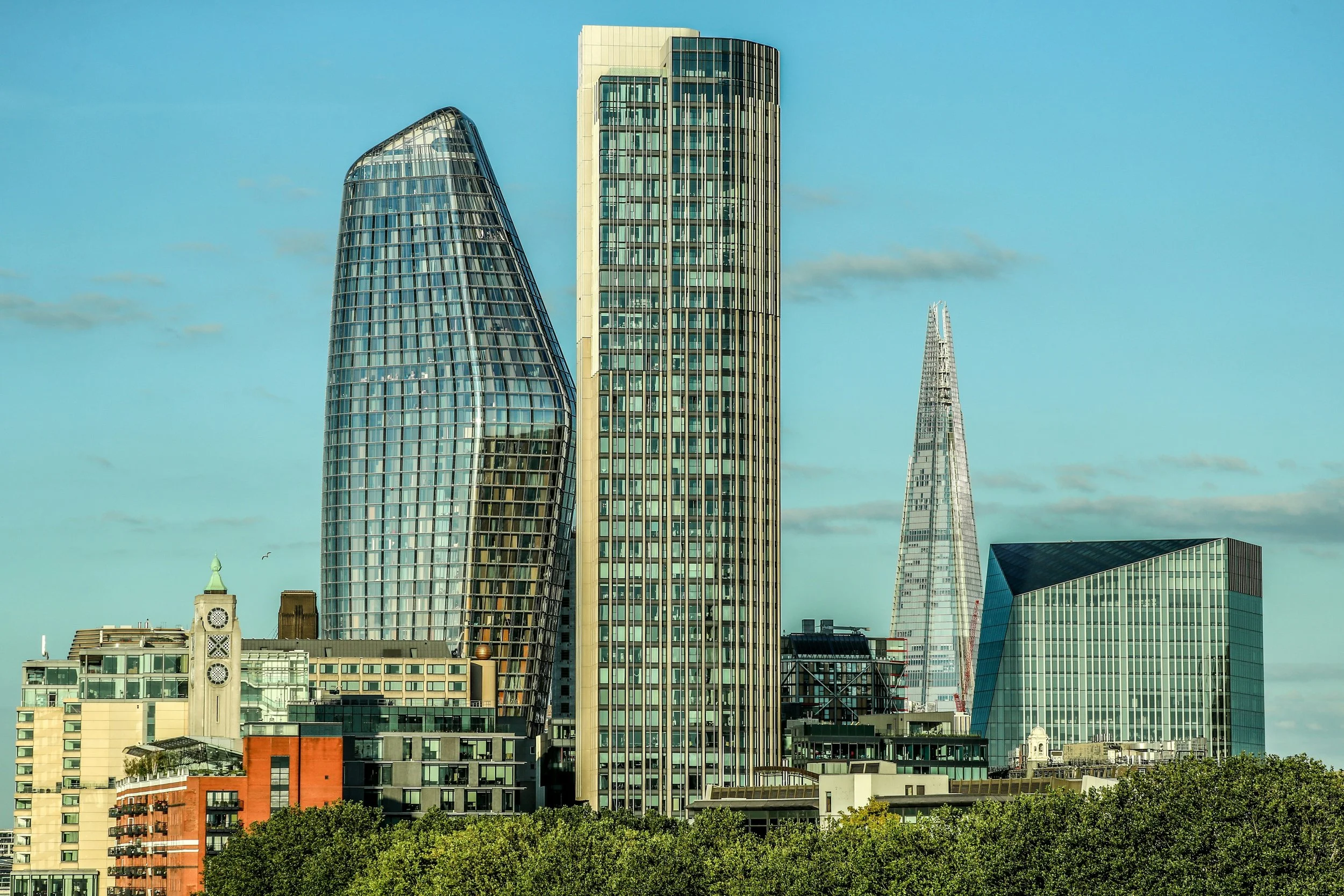
Net Zero Performance through Commercial Building Retrofit Strategy
Key Takeaways:
Protect Asset Value & Avoid Stranded Status: Stricter MEES regulations and national Net Zero targets mean building owners must modernise to prevent asset devaluation and protect portfolio liquidity.
Eliminate False Penalties with Level 5 DSM: Low-cost EPCs often rely on conservative default software assumptions; deploying Level 5 Dynamic Simulation Modelling (DSM) uses actual thermal behaviour and verified building data to significantly improve ratings (e.g., from D to B) with zero physical works.
Follow a Phased, "Fabric First" Approach: Grounded in frameworks like PAS 2038, a successful retrofit strategy prioritises lowering energy demand via fabric upgrades before moving to system electrification (heat pumps) and on-site renewables (solar PV and storage).
Sync Retrofits with Lease Events & PPM: Integrating energy upgrades into tenant churn, lease breaks, or existing Planned Preventive Maintenance (PPM) cycles minimises operational disruption, avoids duplicate downtime, and prevents unnecessary capital expenditure.
Turn Compliance into Market Advantage: Proactive Net Zero pathways safeguard cash flow and attract corporate occupiers who are willing to pay rental premiums for spaces aligned with their ESG goals.
The UK property market has reached a critical juncture. With national targets pushing toward Net Zero and stricter Minimum Energy Efficiency Standards (MEES) reshaping lease viability, building owners face an urgent operational choice to either modernise, or risk asset devaluation and stranded status.
A well-structured Commercial Retrofit Strategy is no longer just a sustainability exercise, it is a vital asset management tool designed to protect returns, attract corporate tenants, and secure long-term portfolio liquidity.
However, many asset managers still assume that a Non-Domestic Retrofit Strategy requires massive, immediate capital expenditure. At HollenPlus, we demonstrate that maximising Commercial Building Performance starts with granular data accuracy, ensuring physical interventions are cost-effective, targeted, and commercial-value-led.
1. Upgrade Commercial Building Performance with Level 5 DSM
Before committing CAPEX to physical upgrades, landlords must establish an accurate baseline of their current Commercial Building Performance.
Standard, low-cost Energy Performance Certificates (EPCs) frequently rely on default software assumptions when technical data is missing. These conservative defaults artificially depress a property’s score, pushing compliant assets into non-compliant bands.
Any forward-looking Commercial Building Retrofit project should begin with Level 5 Dynamic Simulation Modelling (DSM). By replacing generic software defaults with verified building data, original construction specifications, and actual thermal behaviour, we regularly achieve major EPC rating improvements (such as moving from a D to a B) with zero physical works.
2. A Phased Non-Domestic Retrofit Strategy: Fabric First to Net Zero
When physical interventions are necessary, a robust Non-Domestic Retrofit Strategy follows a logical sequence aligned with industry frameworks such as PAS 2038:
Fabric First: Improve insulation, airtightness, and glazing performance to lower underlying energy demand before installing mechanical systems.
System Electrification: Align with the UK’s trajectory toward Net Zero by transitioning from fossil-fuel heating to high-efficiency electric heat pumps, reducing operational carbon year after year.
On-Site Renewables: Integrate roof-mounted solar PV and battery storage to offset grid dependence, lower tenant service charges, and generate additional value-add revenue streams.
3. Aligning Your Commercial Retrofit Strategy with Lease Events
The most commercially viable Commercial Retrofit Strategy is one embedded directly into planned maintenance schedules and tenant churn.
Executing a Commercial Building Retrofit during lease breaks, tenant fit-outs, or scheduled end-of-life plant replacements minimises void periods and protects cash flow. Furthermore, taking proactive steps toward Net Zero turns compliance into a distinct market advantage as high-calibre corporate occupiers routinely pay rental premiums for space that aligns with their own corporate ESG goals.
Strategic Next Steps for Portfolio Managers
Audit Your Portfolio: Identify assets at risk of non-compliance and re-evaluate old EPCs produced before recent carbon factor updates.
Model Actual Performance: Establish a true Commercial Building Performance baseline using Level 5 DSM before allocating capital.
Deploy a Tailored Non-Domestic Retrofit Strategy: Map out a costed, phased path to Net Zero synchronised with key lease events and MEES deadlines.
At HollenPlus, we identify all of the commercially sensible upgrade options, collate costs and prioritise the lowest cost and least disruptive options.
We can also provide a concise set of costed recommendations, fully aligned to the buildings existing Planned Preventive Maintenance (PPM). By integrating energy-saving upgrades such as heat pump retrofits, fabric enhancements or smart lighting controls, directly into your planned replacement cycles, we help you avoid unnecessary capital expenditure and upgrade your EPC rating as efficiently as possible.
Explore our EPC Pathway service to see how we can turn routine maintenance into a strategic roadmap for compliance and value creation.
Secure Your Retrofit Strategy Today
Protect your asset values and avoid unnecessary capital expenditure. Contact the HollenPlus team today to discuss how our tailored Commercial Retrofit Strategy solutions optimise energy efficiency and protect commercial returns.
Email: contact@hollenplus.com
Website: https://www.hollenplus.com