MEES Strategy & Compliance for Commercial Property Portfolios

Maximising returns, capital value, and liquidity across commercial real estate portfolios demands a proactive, unified approach to Minimum Energy Efficiency Standards (MEES).
At HollenPlus, we partner with commercial property funds, investment managers, institutional landlords, and asset managers to deliver end-to-end MEES compliance and optimisation strategies. By coordinating technical pathfinding across office, industrial, and retail holdings, regardless of complex ownership structures, joint ventures, or geographical spread, we align regulatory compliance directly with lease event windows, safeguarding portfolio liquidity and eliminating uncoordinated Capex spend.
Reduce Compliance Risk and Unnecessary Capital Expenditure
Managing MEES exposure shouldn't mean committing to heavy, uncoordinated Capex. At HollenPlus, we interrogate underlying EPC evidence, software assumptions, and historical data to uncover existing rating inaccuracies before advising on physical upgrades. By testing targeted thermal modelling options against your specific asset business plans, we identify the exact, lowest-cost intervention required to achieve compliance. This technical precision connects directly to your commercial objectives, eliminating unnecessary capital expenditure, protecting passing rental income during lease renewals, and preserving overall asset let-ability without eroding fund yields.
Current MEES Requirements and Future Changes
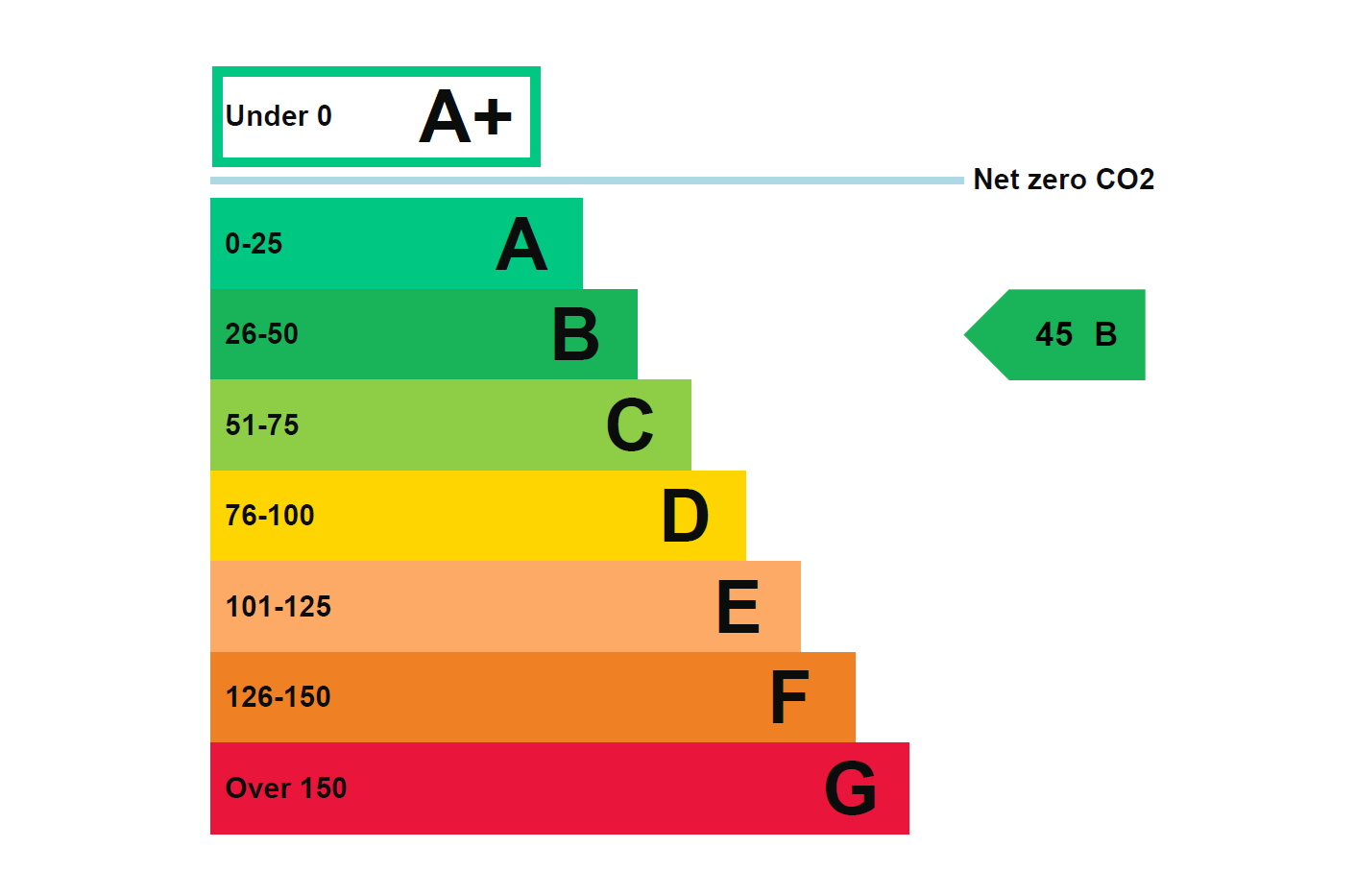
In force since 1 April 2023, all commercial properties across England and Wales must meet a baseline rating of EPC Band E to be lawfully let on active or new leases. The recent government interim update is proposing to remove the 2027 EPC C deadline, and the target timeline has been revised so that commercial properties over 1,000 sq m are required to achieve an EPC Band B by 2031 (where practical and cost-effective under the 7-year payback rule). While buildings under 1,000 sq m currently remain anchored to the EPC E baseline, institutional tenant expectations, bank financing covenants, and market liquidity are driving proactive EPC upgrades across all commercial asset classes.
MEES Exemption Reviews and Supporting Evidence
When physical retrofits are technically unviable, financially unviable, or blocked by planning and lease constraints, registering a statutory exemption on the central PRS Exemptions Register keeps your commercial asset legally lettable. HollenPlus handles the entire process, evaluating eligibility, building technical evidence, and executing formal government submissions.
Asset-Level Viability Screening: We evaluate whether your property qualifies across primary commercial exemption routes, including Third-Party Consent Refusal, Devaluation (>5% market impact), Wall Insulation Structural Damage, and Temporary 6-Month Acquisitions.
Complete 7-Year Payback Test Execution: We manage the full statutory payback calculation in-house. This includes obtaining three formal contractor quotes, running Level 4/5 thermal modelling (DSM) to calculate exact 7-year energy savings, and proving whether capital costs exceed expected savings under official government formulas.
Audit-Ready Evidence Packs & Registration: We compile comprehensive engineering reports, RICS valuations, and contractor quotes to lodge valid submissions on the PRS Register, safeguarding your asset against local authority Trading Standards fines for its 5-year valid lifespan.
Portfolio EPC Reviews and MEES Risk Assessments
Effective portfolio risk management begins with establishing a true, high-fidelity baseline across your commercial assets. HollenPlus conducts a comprehensive review of your existing EPC coverage, mapping every unit against statutory registers to identify expired certificates, upcoming renewal dates, and immediate compliance breaches.
Beyond basic dates and letter grades, we evaluate assessment quality. Historic EPCs often relied on conservative software defaults, such as assumed lighting loads or unverified HVAC specs, resulting in artificially depressed ratings. We systematically interrogate underlying Recommendation Reports and lodged data files to identify missing information, unevidenced upgrades, or assessor oversights. Assets flagged as high-risk, borderline, or artificially underperforming are earmarked for dynamic thermal modelling, establishing a clear starting position that eliminates unnecessary Capex before any physical works are considered.
Prioritise Assets and Plan Capital Expenditure
At HollenPlus, we rank and prioritise your commercial assets using a multi-variable MEES risk matrix to align EPC compliance directly with your commercial asset management plans. This approach protects net operating income and creates a phased, cost-effective investment roadmap:
High-Risk Assets (F & G Rated): Rapid intervention using Level 4/5 thermal modelling to unlock no-cost rating gains, target low-disruption upgrades, or register statutory MEES exemptions.
Lease Events & Vacancies: Aligning necessary energy efficiency retrofits with lease renewals, re-gears, and break options to protect rental growth and avoid tenant disruption.
PPM & Refurbishment Cycles: Embedding HVAC upgrades, LED lighting, and heat pump installations into scheduled planned preventative maintenance (PPM) to prevent duplicate Capex.
Short Hold & Disposals: Delivering a clear "Pathway to Compliance" for assets facing sale within 12–24 months to satisfy buyer due diligence, prevent price chipping, and protect exit yields and liquidity.
Asset Specific EPC Improvement Plans and Pathways to EPC B
At HollenPlus, we know, through lived experience, that every pound of capex has an impact on returns. That is why we adopt a tailored approach for every building and every portfolio.
Our approach is to find the most cost-effective opportunities, with the least disruption, to achieve the target rating.
We spend time finding the details that make a big difference to the baseline rating. We then find the most cost-effective, least disruptive upgrade opportunities to reach the target rating.
We factor in PPM schedules, service charge schedules and caps, lease events etc, to provide a comprehensive, considered pathway that is ready for any board meeting.
Coordinated Portfolio Assessment and Delivery
Rolling out MEES compliance across a commercial portfolio requires tight logistical execution and seamless occupier management. HollenPlus acts as your single point of delivery, managing tenant access, data gathering, technical engineering reviews and official lodgements under one coordinated workflow.
Dedicated Single Point of Contact
Tenant Access and Operations Management ➔ Arrange non-intrusive site visits, providing formal advance notice to ensure zero disruption to tenants.
Data Gathering and Default Stripping ➔ Collect HVAC specifications, lighting records, and unrecorded tenant fit-out upgrades to eliminate conservative software defaults before modelling begins.
Level 4/5 DSM Modelling and Quality Assurance ➔ We test cost effective scenarios against business plans and asset management objectives prior to certification.
Official Lodgement and Delivery ➔ Finalised certificates are formally lodged on the official EPC register.


Securing an EPC A Rating for a 415,000 Sq Ft Logistics Facility
HollenPlus was appointed by a global investment manager to undertake a comprehensive EPC renewals across their property portfolio. The latest project has been the MEES compliance strategy and EPC renewal a for a 415,000 sq ft big-box logistics unit and its ancillary building in Yorkshire.
Utilising our data-driven building modelling approach, we successfully achieved asset-improving EPC A ratings across both units, future-proofing the development against tightening UK commercial property MEES regulations.
Proven Results Across Property Portfolios
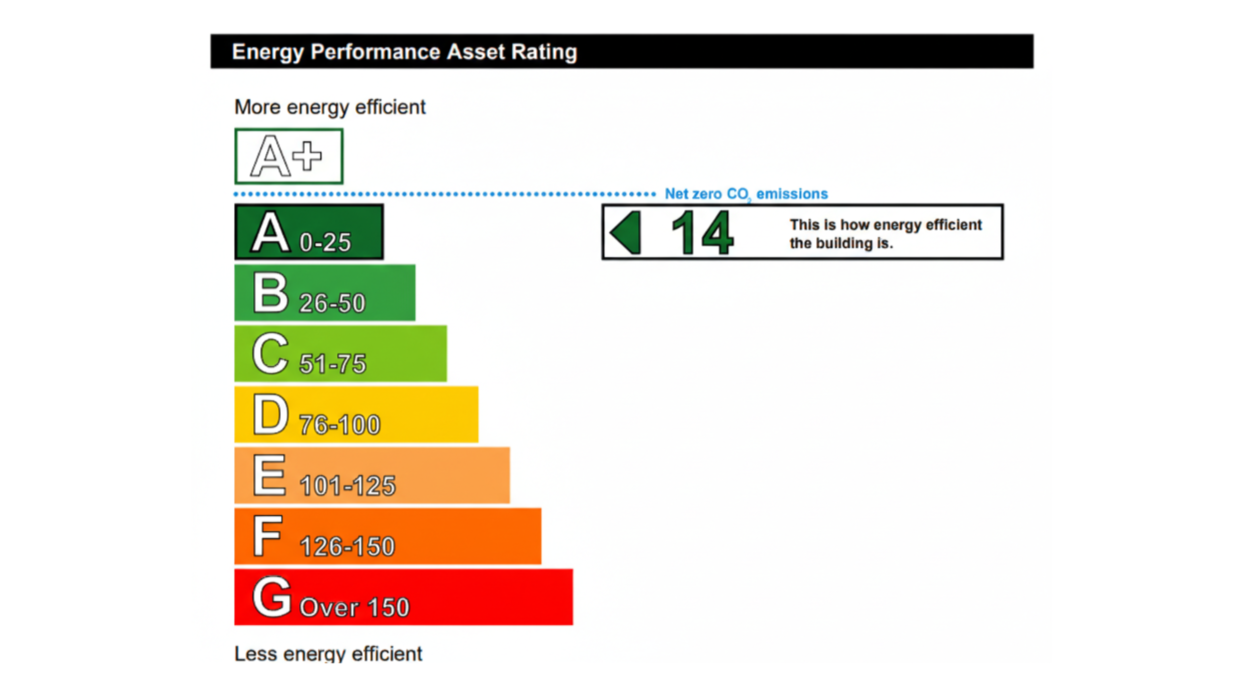
MEES Strategy and 140x EPC Portfolio Renewal
HollenPlus successfully created and delivered a portfolio wide MEES strategy, completing an EPC renewal program for a leading UK landlord across 140x assets in 12 weeks. The project improved their EPC ratings, reducing Capex requirements and improved forecast returns.
Pathway reports were delivered and unit-specific solutions were given for EPC improvements to reach EPC B & A. The client was further able to remove a previously allocated seven figure Capex sum to achieve EPC compliance across the portfolio, from their business plans.
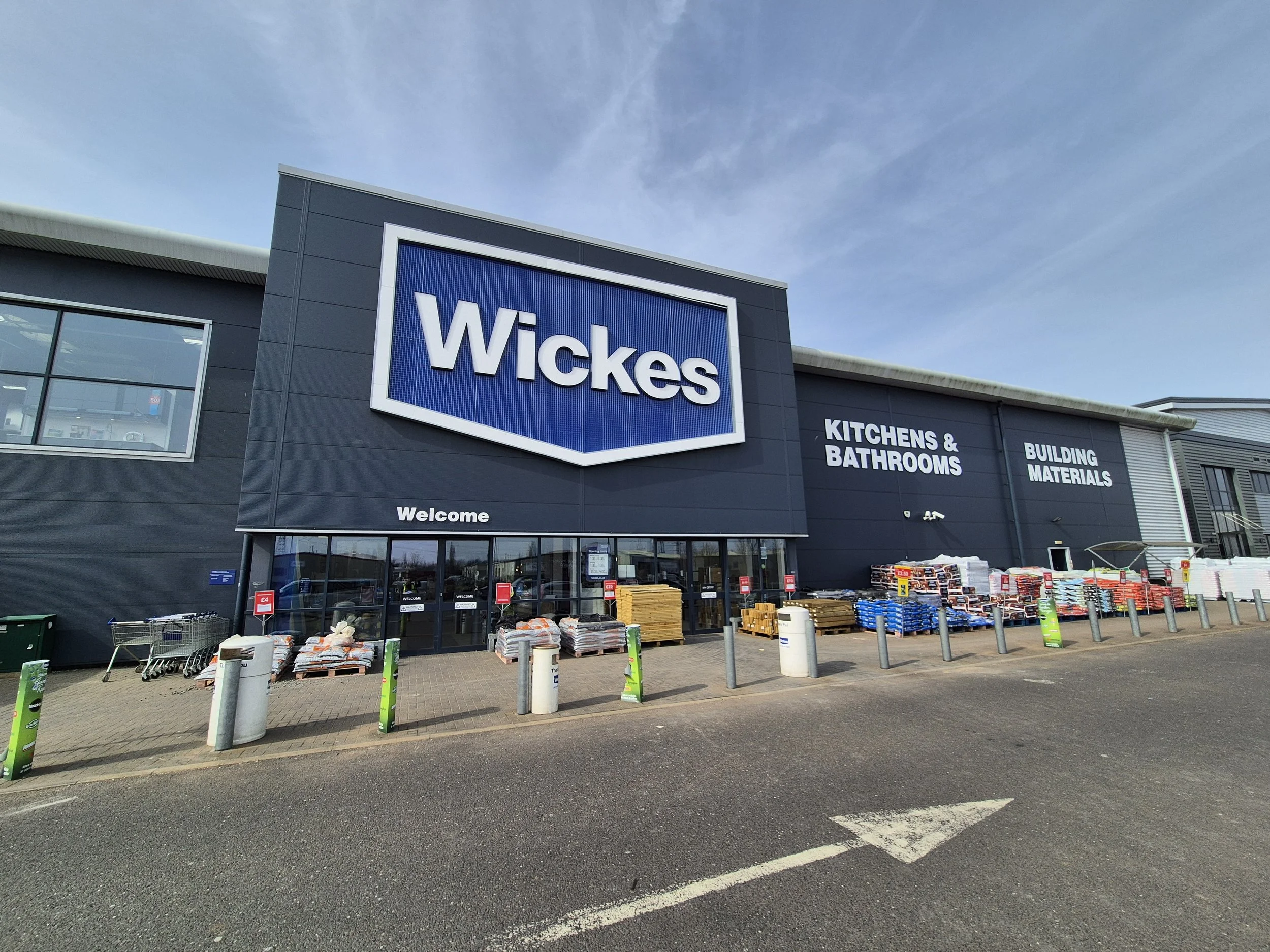
Strategic MEES Compliance & Decarbonisation Road Map for a Retail Warehouse Asset
As part of a wider project across a portfolio of assets, HollenPlus was appointed to secure commercial property MEES compliance through targeted, risk managed energy interventions. Through navigating the risk, strategic evaluation and structured Capex optimisation, HollenPlus was able to establish an aligned road map for the asset to reach a long-term EPC B rating.
Why Choose HollenPlus for Portfolio MEES Strategy?
Most EPC assessors operate purely as technical inspectors, delivering static certificates without understanding lease structures, capital growth targets, or fund cash flows. At HollenPlus, we bridge the gap between technical decarbonisation and commercial asset management. Led by chartered surveyors, we evaluate MEES compliance through the eyes of our clients, aligning energy strategies directly with your asset business plans to protect rental income, preserve capital value, and maximise returns.
>95% Success Rate Without Unnecessary Capex: In over 95% of our pathway projects, our technical modelling precision and level 4/5 software expertise improve EPC rating bands purely by correcting historical assessor oversights and stripping out conservative default assumptions. This helps our clients by removing physical upgrade costs entirely from cash flows.
Commercial Lifecycle Alignment: We synchronise MEES compliance with natural building lifecycles, planned preventative maintenance (PPM), and critical lease events (re-gears, break clauses, and vacancies). This eliminates stranded asset risks and ensures capital is deployed only when it makes commercial sense.
Institutional Risk Protection: From multi-asset portfolio risk profiling to statutory exemption management, we deliver bankable, fully audited compliance roadmaps that satisfy fund auditors, debt providers, and prospective buyers.
Discuss Your Portfolio MEES Strategy
Ready to De-Risk Your Portfolio and Optimise Capex?
Navigating MEES compliance across commercial holdings requires a tailored approach aligned with your specific fund mandates and asset lifecycles. Whether you oversee a national industrial portfolio, multi-let office buildings, or a mixed-use commercial fund, we are ready to help you establish a clear, commercially focused route forward.
Share your asset schedule, current EPC data, and investment objectives with our team. We will review your portfolio’s risk profile and scope a customised MEES strategy program designed to protect rental income, satisfy lender covenants, and preserve asset value.
Step 1: Share Your Data – Send over your asset schedule, existing EPC ratings, and key lease expiry/break dates.
Step 2: Initial Portfolio Review – We analyse your baseline coverage, flag immediate risk areas, and pinpoint immediate quick-win opportunities.
Step 3: Scoped Action Plan – We present a phased, fully costed strategy proposal tailored to your asset business plans and holding periods.
FAQs
-
The UK government interim response has scrapped the proposed 2027 EPC C interim target. Instead, all rented non-domestic properties over 1,000 square metres must move directly to a mandatory EPC B by 2031, provided the upgrades meet the statutory seven-year payback test.
-
By applying technical precision to software inputs, correcting historical assessor oversights, and identifying low-cost/no-cost operational tweaks, we often move assets into higher EPC bands without requiring physical building works. Where upgrades are mandatory, we prioritise the lowest-cost, least-disruptive interventions that preserve cash flow and protect bottom-line returns
-
Yes. Most commercial leases contain clauses prohibiting tenants from making alterations that negatively impact the building’s baseline EPC rating. HollenPlus acts as an expert intermediary between landlords and occupiers. We review tenant fit-out proposals, mechanical specs, and alterations to ensure design compliance, preventing unauthorised works from degrading your asset's MEES standing
-
Standalone EPC upgrades are often inefficient. HollenPlus integrates MEES strategy directly into your wider asset refurbishment plans, capital works programs, and net-zero carbon strategies. By combining building envelope retrofits, heat pump installations, smart controls, and BREEAM assessments under one unified advice framework, we ensure every pound spent delivers maximum carbon reduction and yield protection.
-
In addition to reputational harm from being named on public non-compliance registers, financial penalties enforced by local authority Trading Standards are substantial. Fines can reach up to 20% of a commercial property's rateable value, capped at £150,000 per asset for prolonged breaches. HollenPlus eliminates this liability by establishing an auditable, fully documented compliance pathway across your portfolio.
-
A basic EPC assessment merely provides a snapshot rating based on conservative default assumptions, which often unfairly penalises a building’s score. The HollenPlus EPC Pathway is a strategic alternative designed specifically for commercial real estate asset managers.
We combine technical modelling with asset management expertise to identify marginal gains, optimising your current rating without immediate Capex where possible, or providing a costed, phased timeline aligned to your building’s natural lifecycle and planned maintenance (PPM).
-
Uncertainty over EPC ratings and future upgrade costs can lead to price chip discounts or deal friction. During acquisitions, HollenPlus conducts technical MEES due diligence to give buyers clarity on true current ratings and precise capital expenditure requirements. On the sell side, undertaking an EPC renewal pathway before bringing an asset to market boosts the property’s rating, shortening void periods and maximising realised exit yields.
-
Where physical or technical constraints make achieving compliance unviable, HollenPlus provides expert Exemption Management. We evaluate whether an asset qualifies for formal exemption routes, such as the 7-Year Payback Test, Devaluation Exemption, or Lack of Third-Party/Tenant Consent, and compile the robust, legally defensible evidence packages required for registration on the central government PRS Exemptions Register.
-
Our process begins with Portfolio Risk Profiling:
Initial Audit: We analyse existing EPC data, recommendation reports, and lease expiry profiles across all units to identify immediate and medium-term risk exposure.
Initial Audit: We analyze existing EPC data, recommendation reports, and lease expiry profiles across all units to identify immediate and medium-term risk exposure.
Phased Action Plan: We deliver a fully costed, lifecycle-aligned strategy mapped to your asset management goals, lease events, and PPM schedules.
-
If a property is vacant and not actively marketed or let, a MEES breach does not immediately trigger. However, before a new tenant signs or an existing lease is renewed, the asset must achieve at least an EPC E rating or have a valid exemption logged. Vacancy windows present the most cost-effective opportunity to carry out major decarbonisation works (e.g., mechanical plant upgrades or envelope improvements) with zero tenant disruption.

Speak with a member of the HollenPlus team to discuss your portfolio requirements and request a tailored strategy proposal.